Choosing the Right Bath and Linen: Guidelines for Quality and Comfort
Selecting the right bath and linen products is crucial for boosting comfort and style in any home. Elements such as fabric materials, absorbency, and towel sizes play a substantial role in the overall experience. Understanding these factors can lead to a more satisfying selection process. Yet, many overlook the importance of proper maintenance and budgeting. These aspects can dramatically affect the longevity and quality of bath linens, which prompts the question: how can one make informed decisions?
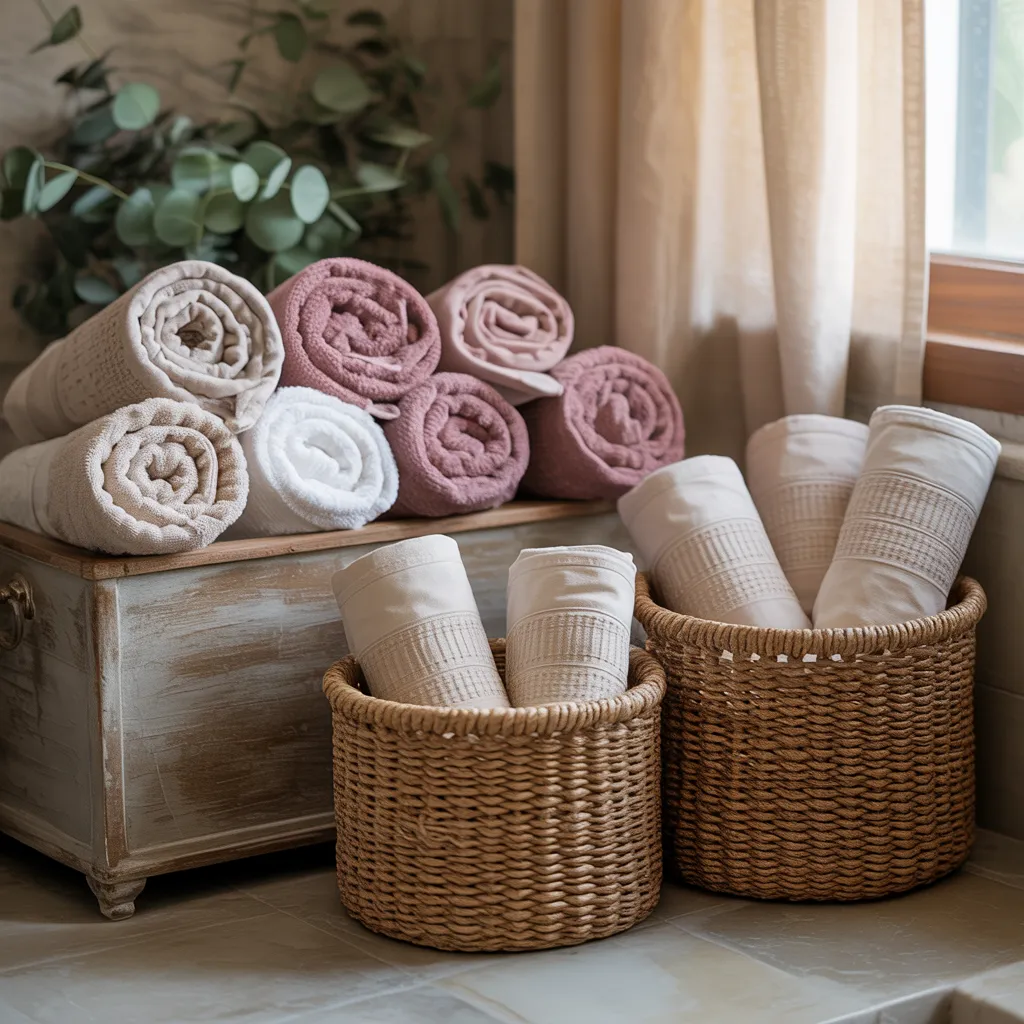
Grasping Different Fabric Material Types
In choosing bath and linen products, understanding different fabric materials is essential. Diverse fabrics present distinct qualities that can determine comfort and longevity. Cotton, a favored choice, is recognized for its softness and breathability, making it perfect for towels and sheets. Egyptian cotton, with its longer fibers, provides an even more luxurious feel and durability. Bamboo, another emerging fabric, features natural antibacterial properties and superior moisture-wicking capabilities, enticing to eco-conscious consumers.
Linen, produced from flax, is celebrated for its outstanding durability and unique texture, though it may call for more care to preserve its appearance. Microfiber, a synthetic alternative, delivers affordability and fast-drying properties, but may be without the natural feel of cotton or linen. Each material brings its benefits and disadvantages, requiring careful consideration based on individual preference and intended use. Ultimately, choosing the right fabric can significantly enhance the bath and linen experience.
Why Absorbency Matters
Selecting the right bath and linen products involves not only understanding fabric materials but also recognizing the significance of absorbency. Absorbency is a vital factor that determines how well a towel or linen can effectively draw moisture away from the body. High absorbency assures that users feel practical guide dry and comfortable after bathing, which enhances the overall experience.
Fabrics like cotton, bamboo, and microfiber each offer different degrees of absorbency, impacting their performance and suitability for different needs. For instance, cotton towels are known for their softness and ability to absorb large amounts of water, while bamboo fibers offer natural antibacterial properties alongside good moisture retention.
Buyers should emphasize absorbency when purchasing bath products to guarantee they meet their own needs and requirements. In the end, the right absorbent bath and linen products contribute considerably to comfort, hygiene, and satisfaction in daily routines.
Selecting the Perfect Towel Dimensions
Towel measurements fulfill a vital purpose in providing comfort and practicality in bath and towel decisions. Commonly, towels are available in multiple dimensions, including washcloths, hand towels, standard bath towels, and large bath sheets. Every dimension fulfills a particular function, enabling individuals to pick based on their specific needs and personal choices.
As an illustration, washcloths are ideal for gentle cleansing, while hand towels work well for drying hands after washing. Bath towels deliver sufficient coverage and drying ability, while bath sheets present a luxurious choice for those seeking more fabric.
When choosing towel sizes, one should consider factors such as how they'll be used, available storage space, and individual body dimensions. A thoughtfully curated collection of multiple sizes can enhance the overall bathing experience, contributing to both comfort and practicality. Finally, selecting the right towel sizes guarantees that individuals appreciate their time spent in relaxation and self-care.
Discovering Bath Mat Varieties
What considerations should be examined when reviewing bath mat selections? To begin with, the material is critical; preferred alternatives include cotton for absorbency, microfiber for quick drying, and memory foam for cushioning. Each material offers specific perks depending on individual needs. Secondly, size and shape should be assessed to confirm the mat fits well within the allocated space, improving both functionality and aesthetics.
One must also consider the mat's grip and non-slip characteristics, which are crucial for safety, especially in moist settings. Durability is also a key factor, as a bath mat should resist frequent washing and daily use without losing its form or function. Lastly, maintenance requirements cannot be overlooked; machine-washable options might deliver convenience for busy households. By thoughtfully assessing these factors, one can find a bath mat that merges quality, comfort, and practicality, ultimately elevating the bathroom experience.
Color and Pattern Considerations
When choosing bath mats, color and pattern serve an important function in the complete visual appeal of the bathroom. Choosing colors that complement existing fixtures and decor can elevate the space's cohesiveness. Neutral shades offer a timeless appeal, while bold colors can act as a focal point, invigorating the environment. Motifs, such as stripes or geometric designs, can introduce a dynamic element, adding visual interest without overwhelming the senses.
It's vital to consider the desired atmosphere; for a calm spa-like retreat, softer shades and refined patterns are advisable, whereas vivid energetic designs may complement a more diverse or lively setting. In the end, the selection of color and pattern should express personal style while blending with the bathroom's complete theme. Harmonizing these elements enables a pleasing aesthetic that enriches both the functionality and design of the space.
Maintenance Guidelines and Care Advice
Even though bath mats and linens contribute comfort and style to a bathroom, appropriate maintenance is essential to ensure their longevity and cleanliness. Regular washing is key; bath towels and linens should be washed every few uses to avoid bacteria buildup. It is advisable to follow the care labels for specific washing instructions, specifically regarding water temperature and drying methods. For bath mats, routine vacuuming can help remove dust and debris. When washing, it is best to avoid bleach, as it can deteriorate the fabric over time.
To maintain absorbency, fabric softeners should be used sparingly or not at all, as they can leave behind deposits. Suspending linens to air dry when feasible helps prevent mildew. Moreover, storing clean linens in a dry, cool space can maintain freshness. By implementing these maintenance tips, one can assure that bath mats and linens continue in optimal condition for daily use.
Planning Your Budget for Quality Linens
Creating a budget for quality linens is crucial for developing a inviting and fashionable home environment. People should establish a clear budget while emphasizing quality over quantity to ensure luxurious and durable options. This approach not only enhances the overall aesthetic but also creates a more enjoyable daily experience.
Determine a Budget
Setting a budget for quality linens is essential for making informed purchasing decisions. By setting a clear financial limit, individuals can focus on selecting products that not only meet their comfort preferences but also fit within their financial constraints. It is recommended to research different brands and materials, comparing prices to identify options that align with the budget. Consumers should consider both upfront costs and potential long-term value, as higher-quality linens may offer durability and comfort that justify a greater investment. Additionally, it can be helpful to allocate funds for seasonal sales or promotions, facilitating the purchase of premium items at reduced prices. In the end, a well-defined budget empowers consumers to make choices that improve their living spaces without overspending.
Give Priority to Quality Over Quantity
When individuals prioritize quality over quantity in their linen purchases, they typically find that investing in fewer, high-quality items brings about greater satisfaction and longevity. This approach not only enhances comfort but also proves more cost-effective in the long run. High-quality linens, such as substantial towels and soft, breathable sheets, withstand wear and tear better than their cheaper counterparts. They preserve their appearance and feel, decreasing the need for frequent replacements. Furthermore, going with well-crafted items produced from sustainable materials supports environmental responsibility. By setting a budget that focuses on premium selections, individuals can develop a collection of linens that elevate their home experience, providing both comfort and style without undermining quality.
FAQ
What Is the Right Time to Replace My Bath Towels?
It's recommended to replace bath towels every 2-3 years, based on how they're used and maintained. Regular laundering and moisture exposure can cause deterioration, making it essential to regularly check their condition.
Is It Possible to Mix Different Fabric Materials for Bath Linens?
Mixing different fabric materials for bath linens is indeed possible. Mixing cotton, microfiber, and bamboo helps enhance absorbency, drying speed, and softness, resulting in a diverse and practical linen collection that addresses various individual preferences and needs.
How Should You Store Bath Linens?
For optimal storage, keep bath linens folded neatly in a cool, dry space. Utilizing breathable storage containers prevents moisture from building up, while proper organization provides easy accessibility and extends their useful life.
Are Organic Linens Worth the Additional Expense?
Eco-friendly linens are typically considered worth the premium cost due to their green production processes, lower chemical content, and greater softness. Customers may conclude these benefits support the investment for superior quality and sustainability in their domestic textiles.
How Do I Determine if a Towel Is High Quality?
To determine towel quality, one should evaluate the fabric's weight, texture, and absorption capability. High-quality towels typically feature a dense weave, plush feel, and are composed of 100% cotton or a cotton blend for ideal performance.